
As a lifelong rider of motorcycles, a former racer and a person now involved in the sale of protective motorsport apparel, I feel it is incumbent upon me to illustrate again the absolute need to ride any motorsport vehicle wearing complete protection. I have had more “get offs” riding a motorcycle than I care to talk about and I want to share the knowledge I have attained from these experiences with the readers of this editorial in the hopes that they will not have to learn the hard way what proper motorcycle protection is all about.
It is widely agreed that riding a motorcycle can be a dangerous activity. Compared with other vehicles that are equipped with safety features such as airbags, seatbelts and steel cages, motorcycles offer no outer protection for the rider. This leaves riders (and passengers) vulnerable to injuries that those in cars and other enclosed vehicles are not exposed to. The number of riders on the road with little or no protective gear to speak of is quite disturbing! I believe that these riders either do not realize the dangers they are exposing themselves to or that they just do not care. The sad part of this is that until something happens (which it usually does, at least once) the lesson is not learned. It bothers me to think of how many people suffer needless pain and injury, and in the worst case scenario, death, simply because they did not take the time or effort to gear up properly before heading out for a ride. There is a saying that I will quote because it sums it all up in one very telling sentence. “ Don’t dress for the ride, dress for the fall”. We all know that a T-shirt, shorts and flip-flops will not cut it when it comes to protection.
In the following, I will give a brief and simple overview of the best way a rider can protect themselves using the different types of riding gear. Pages could be written on each of these sections alone, but it is my intention to cover the most important aspects of the topic without getting too detailed in my writing. I hope that those reading this will take every precaution to protect themselves properly when riding.
Motorcycle Helmets
Today there are more types of helmets on the market, in more affordable price ranges, than at any other time previously. In order for a helmet to be street-legal, it must meet certain government safety standards. Some of the most common standards are; the Department of Transportation (D.O.T.FMVSS 218 ), the Economic Community of Europe(E.C.E. 22-50) and the British Standards Institution (B.S.I. 6658). In addition to these government standards, there is also the Snell M2010 and 2015 standards. The Snell standard is a voluntary private standard used primarily in the U.S A. and Canada for racing. Every motorcycle helmet used on the street in North America must have at least a DOT, B.S.I. or E.C.E rating. The Snell rating designation is only required for motorcycle racing and is updated at 5-year intervals.
There is much debate over which standard is the best. This leads to the inevitable question as to which standard you should choose? This is a hard question to answer. It is my opinion that the more certifications a helmet has, the better protection it will offer. The Snell rating is generally considered to be the “best” standard by which to rate a helmet’s safety. I encourage every person to do their homework and to find as much information on this topic as possible before making their final helmet purchase.
Basically, there are five choices when it comes to helmets. Each different helmet model provides different amounts of protection as described below. I will use a scale from zero to ten to rate the helmet’s safety benefits. Zero denotes absolutely no protection benefits and ten denotes the maximum safety benefits available on the market at this time.
FIVE MAIN TYPES OF HELMETS –
1) ¼ Helmet
2) ½ helmet
3) 3/4 helmet
4) Full Face helmet
5) Modular helmet

Safety Rating – 0
This option may protect the head from the sun’s rays and the wind in states and provinces where riding without a helmet is legal, however, it does absolutely nothing to protect the head from injuries due to impact with hard objects such as curbs, poles, cars, the ground, etc.

Safety Rating – 3
This style of helmet is known as a 1/4 helmet. It is also called a “beanie” or “skull cap” amongst other names. These helmets at the very best meet the bare minimum to be legal on the street and offer very little if any protection at all! In most cases, these helmets do not meet ANY safety standards. Note: This has changed in the province of British Columbia as of June 1, 2012. At this time, a fine of $138 was imposed on any rider stopped by police while wearing one of these “novelty” helmets. If a legal helmet was not able to be produced, another fine of $276 was assessed to the rider. These new helmet laws are part of a number of new safety regulations aimed at minimizing the number of motorcycle injuries and deaths in B.C. — including new rules for passengers and license plates.

Safety Rating – 5
This style of helmet is known as a ½ helmet. Generally speaking, it is acceptable but it only protects the top of the head. A rider would have to land directly on the top of his/her head to get the best protection this helmet offers. There is no protection for the eyes and face from the road, debris, bugs, rain or any other injurious objects. Typically, these helmets are D.O.T. approved if they have any safety rating at all.

Safety Rating – 7
This style of helmet is known as a ¾ helmet. It will do a better job of protecting the top, back and sides of the head in a fall. This helmet may also have a visor that will protect a rider’s face from flying debris such as dirt, rocks and bugs. Again, there is very little protection if the rider were to fall face first, as the front visor is not strong enough to withstand such an impact. The rider could easily sustain injuries to the full front face, the jaw, mouth and teeth.

Safety Rating – 10
- As of this writing, a full-face helmet is considered to be the best protective helmet. A full-face helmet protects the rider’s entire head. If a rider were to fall face first on the ground, the chin bar would protect his/ her jaw and mouth. The face shields on the better full-face helmets are usually made with durable polycarbonate. Along with optimal face protection, the face shield will keep debris, rain, bugs and other hazardous materials from hitting your face when riding. When travelling at speed, these objects can be quite painful if they come into contact with your bare face. Anyone who has ever had an insect, pebble or raindrop hit them in the face at highway speeds will appreciate having a shield to protect against this. In addition, visors of ECE 22.05-certified and Snell-certified helmets must pass impact absorption testing as part of the certification process.
- Remember that all full-face helmets are not created equal. The less expensive full-face helmets are usually made with a polycarbonate (plastic) shell. As price increases, fibreglass, organic fibres, composite fibre, Kevlar® and carbon fibre are all utilized either as a matrix or on their own to provide the most superior protection available. It is wise to ask yourself how much your head is worth to you before deciding on the helmet that will best save you in the event of a crash.


Safety Rating – 8 to 9
There is much debate about the safety of a modular helmet versus a full face helmet. Modular helmets offer the convenience of a chin bar/ face shield that can be raised so that the wearer can have a conversation, drink or a quick cool down without having to remove the entire helmet. This style of helmet is becoming very popular especially with the touring/sport touring crowd. It is generally agreed by the most informed people in the riding industry that to get the most protection consistently for your head, a full-face helmet is the way to go. Full-faced helmets provide maximum protection for riders because the entire helmet is forged into a single piece and has no potential weak points such as the hinge mechanism which is found on a modular helmet.
How should a helmet fit?
In order for a helmet to do its job properly, it has to fit correctly. A helmet should fit snug but not uncomfortably tight. While the helmet is on, hold the helmet with both hands and turn your head. If your head can move side to side inside the helmet then it is too loose. When trying on a helmet in a store it is a good idea to keep it on your head for about 15 minutes. By doing this, you will discover any pressure points that could cause discomfort later on. The inside liners in most good helmets will “break in” after some time and will generally become a little looser and more form fitting to the rider’s head. Keep this in mind if the helmet is snug when it is first tried on. This is how it should be as it allows for the helmet to ultimately form to the rider’s unique head shape and become comfortable. Most stores have a non-return policy on helmets, so remember this before you lay down your money on your chosen helmet.
How long does a helmet last?
How long a helmet will last depends on a number of factors. First it should be stated that a motorcycle helmet is good for one major impact only! If a helmet were to come into contact with concrete, asphalt or any other hard object/ surface, it may be damaged. You cannot ascertain whether a helmet which has been in a crash is wearable again simply by looking at it. In the event you drop your helmet or it has been involved in an accident, it is a good idea to replace it! I often see riders leaving their helmets on their bike (seat, mirror, tank, etc.) where a gust of wind or passerby could easily knock it off. A drop from that height could potentially damage the helmet.
Believe it or not helmets have a lifespan. Most helmet companies recommend you replace your helmet every 5 years of regular use. My helmets tend to starts to feel a little loose somewhat sooner than this, (the foam has compressed a bit) and the mechanisms (vent buttons, face shield pivot, etc.) don’t work as well as when the helmet was new. The more you wear a helmet the quicker it will wear out, If you only wear your helmet a few times a month it stands to reason it will probably last longer.
Motorcycle Jackets:
The next important piece of gear to consider is a proper motorcycle jacket. On the market today, there are a wide variety of styles as well as material to choose from.
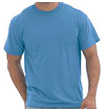
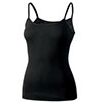
Safety Rating – 0
Although a T-shirt or a tank top may seem like a good idea on very hot day, they will offer no protection in the event of a fall. It may look cool to ride in a T-shirt, but in actuality a rider wearing a T-shirt is at a higher risk of becoming dehydrated or sunburned compared to a rider wearing a fully protective riding jacket. Severe road rash is another danger that a T-shirt can do little for. To put it bluntly, save the T-shirt / tank top for the car or the beach!
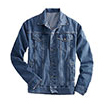
Safety Rating – 4
A denim jacket is better than a T-shirt, but just barely! At slower speeds, for example in stop and go traffic, this type of jacket will give the rider a minimum amount of protection from abrasion. As the speeds increase that protection is reduced significantly. The denim jacket will be torn to shreds in seconds, if the rider were to fall at highway speeds!
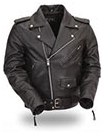
Safety Rating – 7
The classic “leather biker jacket” is definitely a step up from a denim jacket and obviously a huge step up from a T-shirt! The leather used for this type of jacket is strong enough to provide adequate to good abrasion protection if it comes in contact with the pavement. The main drawback of this style of jacket is that they most often do not come equipped with any impact protection in the form of padding or body armor. Our company, Rubber Side Down, always includes protection in this style of jacket. The CE rated protectors sit in a pocket which has a Velcro closure. The armor is not at all visible, yet it offers a great deal more protection than this classic styled motorcycle jacket without the protection. If desired, the protective armor can be removed from the pockets within a matter of seconds. Because these jackets are almost always full black in color and seldom have venting or perforation, excessive heat build up is a definite concern when riding in the summertime.
Safety Rating – 10
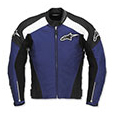
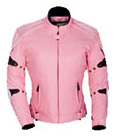
When it comes to the best protection, a modern day leather motorcycle jacket is hard to beat. These jackets are made from thick leather, usually 1.1 to 1.3 mm in thickness. Different types of leather can be used to construct these jackets. Cowhide, buffalo and kangaroo are some of the most common hides as well as sheep and goat hides to a lesser extent. Leather motorcycle jackets have had decades of Research & Development as well as testing through racing and street riding. Along with good abrasion protection, most leather jackets come with armor (soft or hard padding) in all the vulnerable body areas, i.e. elbows, shoulders and back. These are the body parts most likely to come into contact with the road or solid objects. The sleeves on a well crafted leather riding jacket are usually pre- curved for comfort, as a rider’s arms are usually slightly bent when riding.
For warmer weather most good riding jackets will have some type of ventilation system. This can either be perforation or zippered vents in key areas to allow air to flow through the jacket and onto the rider’s body. In addition, most jackets also come with removable liners that can be taken out on the hot days and put back into the jacket when the temperature gets cooler. These jackets also have tapered sleeves and collars that close snugly to keep drafts and bugs from getting inside the jacket. Reflective materials are usually added for night time visibility and most of these jackets have attachment zippers at the back to zip to leather or ballistic nylon riding pants.
The Alternative To Leather
Ballistic nylon:
Over the last fifteen to twenty years, manmade fabrics such as ballistic nylon (textile) have become quite popular with the riding crowd. In simplest terms, this fabric is usually a weave of nylon and sometimes other fabrics such as Kevlar to give the material extra strength against abrasion. This type of jacket has become extremely popular for a number of reasons:
1) Weight – a ballistic nylon weighs less than a comparable leather jacket.
2) Cooler/ warmer than a leather jacket (lighter material and better insulation)
3) Some ballistic nylon jackets are waterproof or have removable liners that are waterproof.
4) Price – Ballistic nylon jackets usually cost less than leather jackets.
5) Most textile jackets also have zippers in the back that allow a pair of pants (Leather or ballistic nylon) to be attached Note that most leather jackets also come with this feature so this is not a radical departure from the leather riding jacket.
Many people contend that a ballistic nylon jacket is good for one major fall only. While most textile jackets may have the same type of armor as leather jackets the material itself is not as abrasion resistant as leather and will sometimes tear during a significant fall. With that said, a good quality ballistic nylon jacket will provide relatively good protection for everyday street riding. For high speeds or the race track, leather is still the only choice!
Motorcycle Gloves:
We depend on our hands daily for most of the things we do. Without our hands the simplest tasks would be much more difficult if not impossible. It is only logical then that protecting them with a pair of good gloves when riding a motorcycle is essential. Below is the rating scale for the different varieties of hand protection.
Safety Rating – 0
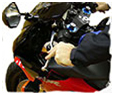
You are walking and you trip (and begin to fall, What is the first thing that you do? Instinctively, your hands will come forward to try and save your body from hitting the ground. The same thing will happen if you fall while riding a motorcycle. The only difference is on a motorcycle is that you will be traveling faster than at a walking pace. Riding with bare hands may give you a better feel for the controls and may be cooler on a hot day, but if something were to happen, your hands could easily get severely injured.
Safety Rating – 3
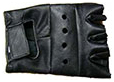
This type of glove does give some protection to the palms, but the fingers and parts of the back of the hand are unprotected. Overall these gloves will not provide very good protection in a fall because the wearer’s fingers are totally exposed. This type of glove my look cool but do not offer adequate protection when riding a motorcycle.
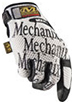
Safety Rating – 4
Although this type of glove will cover the entire hand, because they are made of cotton, they will tear very easily.
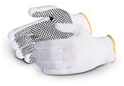
Safety Rating 5
As with the previous gloves mechanics gloves also cover the entire hand. The issue with these gloves is that the leather used is very soft and will not offer good abrasion protection. Furthermore the material on the back is usually made of mesh which will tear easily. I would recommend wearing these gloves if you are working on your bike. They are great for handling tools, but offer poor protection.
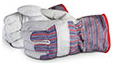
Safety Rating – 7
This type of glove is adequate for riding because they are constructed of thicker leather on the palm, and a sturdy cut and abrasion resistant material on the back of the hand. The gauntlet style is also good for keeping cold air and bugs out when riding. The drawbacks that some riders experience with this type of glove are that they don’t breathe very well and they tend to be somewhat bulky. This can make operating the controls on the bike difficult or cumbersome.
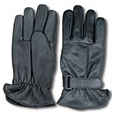
Safety Rating – 8
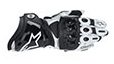
This is the basic leather motorcycle glove. These gloves will give fairly good abrasion protection for a rider’s entire hand. The palms usually have two layers of leather as well as a gauntlet and straps to keep them in place and to keep cold and bugs out. You can also get gloves that are perforated which will keep your hands cooler on hot days.
Safety Rating – 10
When it comes to protecting your hands, this type of glove is the best. Some of the features that you would find on this style of glove are:
- Two or more layers of quality leather combined with extra padded palms
- Double stitching at all seams for extra strength
- Knuckle protection (carbon fiber or other materials)
- Gauntlets to protect the wrists and fit over jacket sleeves.
- Built in venting to keep the hands cool
- Curved fingers for comfort and grip
Motorcycle Pants
Wearing a pair of pants while riding is unquestionably a good idea.
Safety Rating – 0
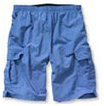
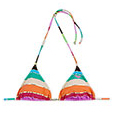
As summer rolls in and the mercury starts to rise, some riders are willing to wear shorts or swimsuits while riding. How much protection will these clothing provide? None!!! Like the T-shirt or tank top, they may look great at the beach or by a pool, and that’s where they should stay.
Safety Rating – 4
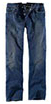
For general everyday riding a good pair of sturdy denim jeans may be acceptable. They provide more protection than a pair of shorts and cover the entire leg. They are only adequate at slow speeds such as stop and go city traffic.
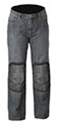
Safety Rating – 6
A step above your basic pair of jeans is a pair of motorcycle jeans. What sets these apart from regular jeans is that they are reinforced on the inside of the pant in critical areas (knees, hips, seat and sometimes down full leg) with Kevlar or similar materials which are considerably more abrasion resistant than denim alone.
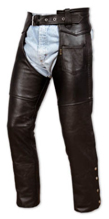
Safety Rating – 7
Leather Chaps are very popular with cruiser riders. They provide some abrasion protection (except in the seat area), as well as a fair degree of warmth due to the wind cutting properties of leather. In order to provide good protection, chaps should be worn over a sturdy pair of pants. However, because the seat area is exposed, the rider is exposed to injury as sliding on this part of the body is very common in the event you fall off of your motorcycle. Also, chaps rarely come with protective armor at the hips and knees. This adds to the deficits of adequate protection.
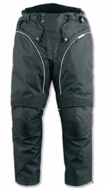
Safety Rating – 8
Textile (Ballistic Nylon)
As with motorcycle jackets, many companies offer pants made of ballistic nylon. This type of pant offers good abrasion protection as well as padding in the key areas. Some of the other features you will usually find in ballistic nylon pants are vents, waterproofing and zippers to attach the pants to a jacket.
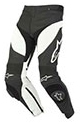
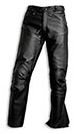
Safety Rating – 10
Properly designed motorcycle leather pants provide the best abrasion protection and have excellent padding in the knee and hip areas. Constructed of thick, premium leather in cowhide, kangaroo, buffalo leather or other hardy animal hides, they will protect against most contact with the pavement. Other features may include stretch material in the knee and pelvic areas for ease of movement and comfort, as well as vents and perforation to keep you cool. This type of pant almost always comes with a sturdy attachment zipper at the rear of the pant which zips to the jacket the rider is wearing.
Motorcycle Riding Suits:
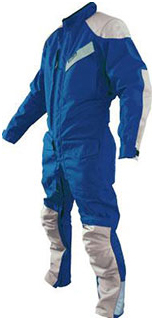
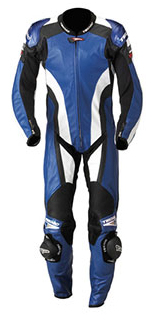
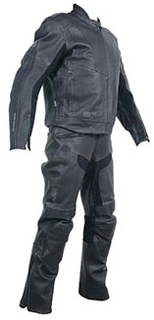
Wearing a one or two-piece riding suit will provide full body protection. The level of safety with one piece riding suits is still dependent on the materials they are made of, as described previously. Often, the difficult part is deciding which style you want. A one-piece suit will do a better job at keeping the wind out and will not have any gaps around the waist where the jacket meets the pants. While a two-piece suit is more versatile ( the top and bottom can be worn together or separately) and may be easier to get in and out of, for the race track, a one-piece leather suit is the only choice.
Motorcycle Footwear:
Safety Rating – 0
In exactly the same league as shorts and a T shirt, sandals, slippers, flip-flops and dress shoes will not provide any protection in the event of an accident. In fact, in any dangerous situation they will almost always fall off, leaving your ankles and the small bones of the feet open to serious injury. Do not over look the importance of proper footwear when riding. Feet and ankles break easily and healing from these injuries is not at all fun.
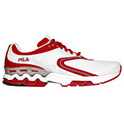
Safety Rating 5
Running shoes are obviously fantastic for running, walking or other activities, but are not a good choice when riding a motorcycle. In terms of protection they will offer more than a sandal or flip-flop, but not much more! The materials used to construct these shoes is not sturdy enough to prevent injuries and these types of shoes do nothing to protect the ankle bone. It is also common that in many instance where the rider is wearing running shoes, one or both of the shoes end up coming off!
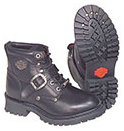
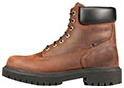
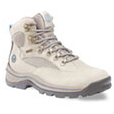
Safety Rating – 7.5
A sturdy pair of leather boots will provide quite good protection for the foot. This type of boot will protect the foot including the ankle bone to an extent. In addition, a low rubber sole on a sturdy high top leather boot will provide better adhesion when the foot comes in contact with the ground, such as at a stop light. Keep in mind that any piece of safety equipment is only as good as the materials it is made of. A pair of attractive, high top boots made with cheap leather will not be very protective in the case of a crash.
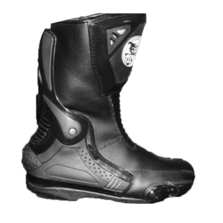
Safety Rating – 10
Motorcycle racing boots are the ultimate in foot protection! The rider’s toes, heel, ankle, instep and shins are perfectly protected. Good quality race boots are available with venting, or perforation, can be made to be waterproof and are the “cat’s meow” when riding. In recent years, the stiffness issue of proper race boots has been addressed quite well and they are usually comfortable to walk in for a relative length of time
An alternative to a motorcycle racing boot is a motorcycle touring boot. This type of boot also provides great protection for the foot as they have been designed with the motorcycle rider first in mind. Since they are not as rigid or stiff as a racing boot, they will be even more comfortable for walking and standing. You can also find touring boots that are warm and water-proof, which will add to the comfort factor.
As I stated at the beginning of this editorial, my intention was to cover the most important aspects of proper riding gear. There is much more to this topic than what has been covered here. Earplugs, proper riding glasses, heated vests and other cold weather clothing, CE rated hard plastic spine protectors and rain suits are some other items to write about at a later date. My hope is that with the information presented here, you as the rider will be able to make a much more informed and safer decision when it comes to the purchase of your new or next piece of riding clothing.
As always, thanks for taking the time to read this and always remember to keep the “Rubber Side Down !”
Best Regards,
Josh Dirnfeld
(Owner)
Rubber Side Down Motorsport Clothing Inc.